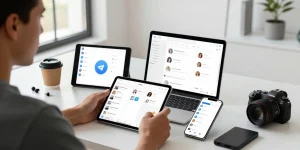
Seamlessly Message a Doctor Online 24/7 for Immediate Healthcare Access

Understanding the Need to Message a Doctor Online 24/7
Overview of Telemedicine and Its Benefits
As technology continues to reshape the healthcare landscape, telemedicine has emerged as a vital resource for patients seeking medical advice and assistance outside of traditional office hours. The ability to message a doctor online 24/7 has revolutionized the way we approach healthcare, offering convenience and accessibility that were once unimaginable. Telemedicine provides a platform for patients to engage with healthcare professionals without the constraints of time and location. Key benefits include: efficient access to medical care, reduced waiting times, lower costs, and improved patient engagement. Additionally, it allows healthcare providers to extend their reach and cater to a larger population, thus enhancing equity in healthcare access.
When to Use Online Medical Messaging
Understanding when to utilize online messaging with a doctor is essential for maximizing the benefits of telemedicine. Common scenarios include:
- Minor illnesses: Conditions like colds, flu, or allergies can often be addressed without in-person visits.
- Follow-up consultations: Patients requiring follow-ups after initial consultations can easily message their doctors to discuss progress.
- Medication management: Patients managing chronic conditions can inquire about dosage or side effects without needing a clinic visit.
Recognizing these instances can facilitate effective management of health concerns, ensuring patients receive timely assistance while saving time and resources.
Patient Privacy and Security in Virtual Consultations
As telemedicine grows in popularity, concerns around privacy and the security of personal health information remain paramount. When engaging in online messaging with doctors, it’s crucial to ensure that:
- The platform is compliant with health information protection regulations, such as HIPAA in the United States.
- Secure encryption methods are implemented to protect patient data during transmission.
- Patients are educated on safe practices, such as avoiding public Wi-Fi when sending sensitive information.
By prioritizing security measures, both patients and healthcare providers can foster a trustworthy environment for online consultations.
How to Effectively Message a Doctor Online 24/7
Choosing the Right Platform for Medical Messages
When opting to message a doctor online, the choice of platform can greatly influence the overall experience. Here are factors to consider:
- User-friendly interface: The platform should be easy to navigate, ensuring that patients can locate their doctor’s contact information effortlessly.
- Integration with healthcare records: Ideal platforms allow seamless access to medical records, enabling doctors to provide informed responses.
- Multi-channel communication: The facility to engage via text, voice, or video helps tailor interactions to individual patient preferences.
Researching various platforms and understanding their features will help patients make informed decisions when messaging their healthcare providers.
Crafting Your Message: What to Include
Writing an effective message to a doctor can improve the quality of communication and ultimately lead to better health outcomes. Consider including:
- Your symptoms: Be clear and concise about the symptoms you are experiencing, including duration and intensity.
- Relevant medical history: Mention any previous conditions or treatments that may provide context for your symptoms.
- Questions: Prepare specific questions to ask your doctor, helping them focus their response on your primary concerns.
Being thorough in your message can assist your healthcare professional in formulating a relevant and effective response.
Best Practices for Online Communication with Doctors
Successful online messaging requires adherence to best practices that enhance communication. These include:
- Be respectful and professional: Maintain a courteous tone, acknowledging the doctor’s expertise.
- Use proper grammar and punctuation: Clear communication is essential, making organizations easier to comprehend.
- Be patient: Allow time for doctors to respond, understanding that they may be attending to multiple patients.
Implementing these best practices results in a more productive interaction with healthcare providers and ensures clarity in communication.
Common Concerns About Messaging Doctors Online 24/7
Addressing Misconceptions About Telehealth
Despite the growing acceptance of telemedicine, several misconceptions persist. Addressing these can alleviate concerns among potential users:
- Lack of personal touch: Many believe online consultations lack the empathy of in-person visits; however, digital platforms can still foster meaningful doctor-patient relationships.
- Quality of care: The concern that telehealth compromises care quality is unfounded, as many healthcare providers employ thorough methods to assess and treat patients online.
Debunking these myths is essential for encouraging more individuals to utilize telehealth services.
Doctor Response Times: What to Expect
Response times can vary based on several factors, including the doctor’s availability and the urgency of the issue. On average, patients can expect:
- Same-day responses: Many healthcare providers strive to reply within a few hours for urgent inquiries.
- Delayed replies: Non-urgent cases may garner responses within 48 hours, as doctors manage their schedules.
Knowing these expectations helps patients plan accordingly and reduces the potential for frustration.
Getting the Most Out of Your Online Consultation
To maximize the effectiveness of an online consultation, patients should prepare adequately. Effective strategies include:
- Creating a list of concerns: Prioritize issues to ensure that critical matters are addressed during the session.
- Logging any medications: Be ready to share current medications, dosages, and allergies, as this informs the doctor’s decisions.
- Taking notes: Documenting the consultation can aid retention of information and avoid confusion later.
Employing these tactics guarantees that patients derive comprehensive benefits from their consultations.
Success Stories: Real-Life Experiences
How Patients Found Convenience with Online Messaging
Many patients have found significant value in using online messaging to engage with their healthcare providers. Anecdotes highlight:
- Chronic condition management: Individuals managing diabetes or hypertension have greatly benefited from ongoing digital communication with their doctors, maintaining better control over their conditions.
- Rural healthcare access: Patients in remote areas often rely on telemedicine, where travel to healthcare facilities can be time-consuming and costly.
These stories illustrate how online messaging for healthcare can redefine access and convenience for patients everywhere.
Case Studies: Effective Solutions Through Telemedicine
Several documented case studies reveal the transformative effects of telemedicine on patient health outcomes:
- Quick diagnosis: A patient experiencing sudden chest pain was able to message their doctor and receive a prompt referral to a specialist, averting a potential crisis.
- Post-operative follow-ups: Following surgery, patients reported improved recovery through regular messaging with their surgeons to discuss healing progress and any setbacks.
Innovative solutions through telehealth emphasize its importance in contemporary healthcare systems.
Building Trust with Online Healthcare Professionals
Trust is a critical component of successful doctor-patient relationships, and it’s especially vital in virtual communications. Strategies to foster trust include:
- Consistency: Maintaining regular communication can help build rapport and confidence between patients and their doctors.
- Transparency: Being open about health issues and treatment preferences fosters an environment conducive to effective healthcare delivery.
Trust is essential for ensuring patient engagement and positive health outcomes in online consultations.
FAQs About Messaging a Doctor Online 24/7
Can I message any doctor online at any time?
While many clinics provide 24/7 messaging services, specific availability may vary. It’s best to check with your provider about their policies.
Is my health information safe when messaging a doctor?
When using compliant platforms that employ encryption, your health information should be safe. Always verify a platform’s security measures before sharing details.
What types of issues can be addressed through online messaging?
Common issues like minor illnesses, follow-ups for chronic conditions, and medication inquiries can be effectively addressed through online messaging with doctors.
Will I get a quicker response versus a traditional appointment?
In many cases, messaging allows for quicker responses compared to traditional appointments. Response times depend on the urgency of your query and the doctor’s schedule.
How do I ensure my concerns are taken seriously in messages?
To ensure your concerns receive the attention they require, be clear and specific in your messages. Provide relevant medical history and ask direct questions.