Soil Screening Ottawa: What NOT to Do (Learn from Best Practices)

Understanding Soil Screening: Importance and Processes
In the ever-evolving landscape of environmental management, soil screening has emerged as a critical practice for ensuring the health and sustainability of our land. From urban development projects to agricultural endeavors, the assessment of soil quality through screening plays a pivotal role in enhancing crop yields, assessing contamination risks, and promoting responsible land use. In Ottawa, understanding and utilizing effective soil screening methods is essential for both residential and commercial areas alike. When exploring options, soil screening ottawa offers comprehensive insights into effective practices tailored to local needs.
What is Soil Screening?
Soil screening is the process of evaluating and analyzing the physical and chemical properties of soil to determine its suitability for various uses. This typically involves the removal of rocks, debris, and other unwanted materials from the soil, allowing for a more accurate understanding of its composition. By employing soil screening techniques, professionals can assess soil fertility, structure, pH levels, and contamination, making it an invaluable tool for land developers, horticulturists, and environmental engineers.
Benefits of Soil Screening in Ottawa
Soil screening provides several significant benefits, especially in urban centers like Ottawa:
- Enhanced Soil Quality: By identifying nutrient deficiencies or excesses, landowners can amend their soil, leading to healthier plant growth.
- Environmental Protection: Soil screening helps to detect contaminants, enabling timely action to mitigate pollution risks.
- Informed Decision-Making: Armed with comprehensive soil data, stakeholders can make better choices regarding crops, landscaping, and construction projects.
- Cost Efficiency: Effective soil screening reduces costs related to soil amendments and remediation by providing precise information on soil quality.
Common Methods Used in Soil Screening
There are several methods utilized for soil screening, each chosen based on specific requirements, including:
- Mechanical Screening: Using vibrating screens or trommels, this method separates soil particles based on size.
- Laboratory Testing: Samples are sent to labs where advanced techniques such as spectroscopy and chromatography analyze soil components.
- Field Testing Kits: Portable kits allow for on-site analysis, providing immediate insights into soil health.
Key Challenges in Soil Screening
Despite its advantages, soil screening comes with a set of challenges that professionals must navigate to ensure effective outcomes.
Understanding Soil Contamination
Soil contamination is a growing concern in urban environments, often stemming from industrial activities, agricultural practices, and waste disposal. Screening becomes crucial in identifying contaminants like heavy metals, pesticides, and hydrocarbons, which can pose significant risks to human health and ecosystems. Understanding contamination levels is vital for land rehabilitation and compliance with environmental regulations.
Common Misconceptions about Soil Screening
Many people believe that soil screening is a one-time process; however, it should be conducted regularly to account for changes in land use, climatic conditions, and potential contamination events. Additionally, some may underestimate the importance of professional evaluations, thinking DIY methods suffice, which can lead to inaccurate assessments.
Logistical Challenges in Ottawa
Conducting soil screening in Ottawa can be logistically challenging due to urban density, varying soil compositions, and seasonal weather patterns. Proper planning and the use of advanced technology can mitigate these issues, ensuring that soil screening remains effective and efficient.
Best Practices for Effective Soil Screening
Implementing best practices in soil screening not only maximizes the accuracy of results but also enhances the overall efficiency of land management.
Choosing the Right Equipment for Soil Screening
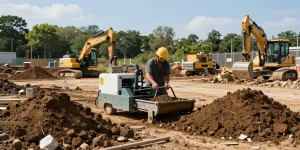
Selecting appropriate equipment is crucial for effective soil screening. Options range from basic shovels and sieves to advanced mechanical screeners. For larger projects, investing in high-quality machinery capable of processing large volumes of soil can significantly expedite the screening process.
Professional vs. DIY Soil Screening: Which is Better?
While DIY soil screening can be cost-effective for small-scale projects, professional services offer expertise and advanced technology that typically yield more precise results. For land development or remediation projects, collaborating with professionals is generally advisable to ensure compliance with local regulations.
Safety Measures During Soil Screening
Safety should always be a priority during soil screening, particularly in contaminated areas. Implementing safety measures such as wearing appropriate personal protective equipment (PPE) and ensuring proper waste disposal protocols can mitigate health risks and enhance overall project safety.
Real-World Examples of Successful Soil Screening
Understanding how soil screening has positively impacted various projects can provide valuable lessons for future applications.
Case Study: Soil Restoration in Urban Areas
In a recent urban restoration project in Ottawa, contractors employed thorough soil screening techniques to identify and remediate contaminated sites. This proactive approach not only returned the land to productive use but also improved local biodiversity and community health.
Lessons from Local Ottawa Projects
Several Ottawa-based projects have highlighted the importance of regular soil screening. By continuously monitoring soil conditions, developers were able to adapt their approaches, ensuring the longevity and sustainability of green spaces and agricultural lands.
Impact of Effective Soil Screening on the Environment
Proper soil screening practices have a direct positive impact on the environment. By identifying and addressing contaminants, these practices contribute to cleaner water sources, healthier ecosystems, and more sustainable agricultural practices.
Future Trends in Soil Screening: What to Expect by 2026
As technology evolves, the field of soil screening is likely to undergo significant changes by 2026, shaping how we approach soil management.
Innovations in Soil Screening Technologies
Emerging technologies, including drones and remote sensing, are paving the way for more efficient soil screening processes. These innovations can provide comprehensive assessments of soil quality at reduced costs and with greater accuracy, making them invaluable tools for environmental engineers and land developers.
Regulatory Changes Impacting Soil Screening Practices
As environmental regulations continue to evolve, soil screening practices will also adapt. Increased emphasis on sustainability and contamination prevention will likely lead to stricter guidelines and enhanced screening protocols to maintain compliance.
Environmental Considerations and Sustainability in Soil Screening
Future soil screening practices in Ottawa will increasingly prioritize environmental sustainability. This includes using eco-friendly materials and methods, reducing carbon footprints, and promoting biodiversity through informed land management strategies.
What Are the Benefits of Soil Screening in Ottawa?
With the growing need for sustainable land use in Ottawa, the benefits of soil screening cannot be overstated. Enhanced soil quality, regulatory compliance, and environmental protection are just a few advantages that underline the importance of regular soil assessments.
How Much Does Soil Screening Cost in Ottawa?
Costs for soil screening in Ottawa can vary widely based on several factors, including the size of the area, the methods used, and the level of contamination. On average, basic screenings can range from a few hundred to several thousand dollars, making it essential for stakeholders to seek multiple quotes for budget planning.
What Equipment is Used for Soil Screening?
Commonly used equipment for soil screening includes shaker tables, vibrating screens, and rotary screens. Additionally, hand tools such as trowels and shovels are often employed for smaller-scale projects, providing flexibility for various applications.
Can I Perform Soil Screening on My Own?
While it is possible to perform basic soil screening independently, thorough testing and analysis often require specialized knowledge and equipment, making professional services a wise investment for accuracy and reliability.
What are the Signs of Soil Contamination?
Signs of soil contamination can include discoloration, unusual odors, and poor plant growth. Should these symptoms be observed, immediate soil screening is advised to determine the cause and extent of contamination.
How Long Does Soil Screening Take?
The duration of soil screening can vary significantly based on the method employed and the size of the area. Basic screenings may be completed within a few hours, while comprehensive laboratory analyses might take several days to weeks, contingent on lab capacity and testing complexity.